
I thought I was smart.
When I booked my dream anniversary trip to Paris, I read the airline’s policy. It clearly stated: “If we cancel your flight, you are entitled to a full refund.”
Great, I thought. I don’t need to buy extra insurance. If the plane doesn’t fly, I get my money back. Simple.
Two days before departure, a massive labor strike hit the airport. My flight was cancelled.
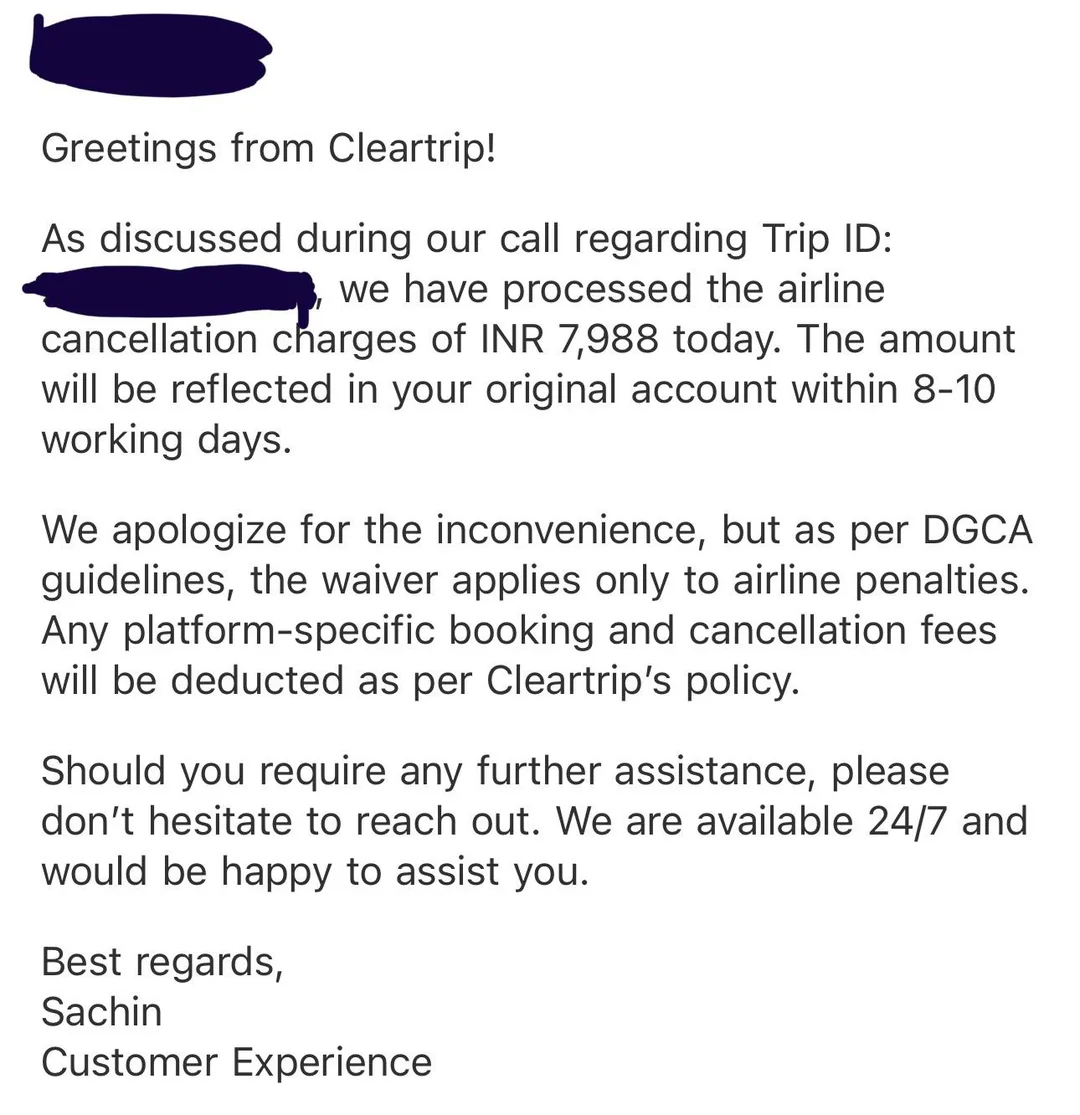
True to their word, the airline emailed me: “We have processed a full refund of your $800 flight ticket.”
I felt relieved—until I called my hotel in Paris. “I’m so sorry, Monsieur,” the concierge said. “Your booking was non-refundable. Since you are cancelling less than 48 hours in advance, we cannot return your payment.”
The Math:
-
Airline Refund: +$800 (I got this back).
-
Pre-paid Hotel: -$1,500 (Lost).
-
Pre-booked Tours: -$300 (Lost).
-
Train Tickets: -$200 (Lost).
I was sitting at my kitchen table, realizing that even though the airline “did the right thing,” I was still $2,000 in the hole for a vacation I never took.
This is the difference between Airline Compensation and Travel Insurance. And knowing the difference is the only way to protect your wallet.
The Hard Truth: The Airline Only Cares About the Seat
Here is the secret airlines don’t put in bold letters: Their contract is only to move you from Point A to Point B.
If they fail to do that, they owe you the price of the ticket. They do not owe you for the consequences of missing that flight.
-
They don’t care about your expensive hotel.
-
They don’t care about your cruise departure.
-
They don’t care about your pre-booked Disney tickets.
To them, those are “consequential losses,” and they are legally 0% responsible for them.
How Travel Insurance Would Have Saved Me
If I had purchased a comprehensive Travel Insurance policy (which would have cost about $100 for this trip), the outcome would have been totally different.
“Trip Cancellation Coverage” is the specific clause that saves you here. It says: “If you cannot travel for a covered reason (like a strike, weather, or sickness), we will reimburse you for ALL pre-paid, non-refundable expenses.”
-
-
My Reality: I lost $2,000 and spent my anniversary angry at home.
-
With Insurance: I would have filed a claim for the hotel, tours, and trains. The insurer would have sent me a check for the full $2,000.
-
Don’t Rely on the “Credit Card” Trick
Just like I learned during my [Travel Insurance] disaster in Thailand (where I broke my leg), credit card perks are often weaker than you think.
I called my credit card company to see if they could help with the hotel bill.
-
The Answer: “Sorry, our trip cancellation benefit only covers you if YOU get sick or die. It does not cover ‘Common Carrier Strikes’.”
Every policy has “Exclusions.” You have to read the fine print. Dedicated travel insurance policies usually cover strikes, bad weather, and even jury duty. Credit cards usually cover very little.
3 Questions to Ask Before You Click “Buy”
After losing that $2,000, I developed a simple rule. I only buy Trip Cancellation insurance if the answer to any of these questions is “Yes.”
1. Is my hotel “Non-Refundable”?
If you booked a flexible hotel that lets you cancel until 6 PM on the day of arrival, you don’t need insurance for the hotel. But if you booked the “Save 20% Non-Refundable” rate, you are gambling.
2. Is this a “Domino Effect” trip?
If missing your first flight means you miss a cruise departure or a connecting tour that costs thousands, you are high-risk. One small delay knocks down all the dominoes.
3. Can I afford to lose this money?
I treat this just like my [Auto Insurance]. If I crash my car, I can’t afford to buy a new one instantly, so I insure it. If I lose this vacation money, will it ruin my year? If yes, insure it.
Conclusion: Protect the “Ground,” Not Just the “Air”
Airlines will usually refund the airfare. That’s the easy part. Travel Insurance is for everything that happens on the Ground.
Don’t let a Pilot Strike or a Hurricane steal your hard-earned hotel money. The airline refund is just a refund—it’s not protection.